
Illegal LPGas Refilling – Know the Risks

Illegal LPGas Refilling – Know the Risks
For us safety isn’t optional, it’s essential. Illegal LPGas refilling is a growing problem across South Africa, where unlicensed individuals
and unauthorised businesses refill cylinders without proper training, equipment, or permits. These illegal practices bypass critical safety
procedures, creating serious risks for consumers, communities, and the environment.
We are committed to protecting the public by raising awareness about the dangers of illegal refilling. We believe that everyone has the right to access safe, compliant LPGas, filled and sealed under strict safety standards. Through education, enforcement, and collaboration with industry bodies, we’re working to stop illegal refilling at its source and help you make informed choices.
This page outlines how to recognise illegal activity, understand the risks, and report suspected illegal refillers. Because when it comes to your safety and peace of mind — You Deserve EASI.

what is illegal refilling?
What qualifies as an illegally filled cylinder?
A company-branded and owned LPGas cylinder that has been filled with LPGas outside the branded company’s filling plants or its official distributor’s sites.
It also includes any cylinder filled by an unlicensed company — meaning they do not have:
- A Department of Mineral Resources and Energy (DMRE) licence
- Zoning certificates
- A valid fire permit
These operations are not only non-compliant, they’re dangerous and put lives and property at risk.
Being informed
is the first step to
your safety
is the first step to
your safety
recognising illegal refills
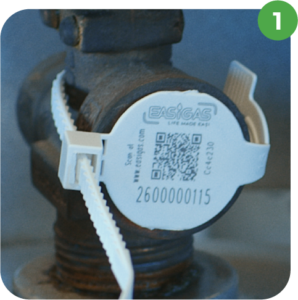
Introducing EASISEAL
EASISEAL is our latest and safest innovation, designed to make it simple to scan and verify that your LPGas cylinder is legitimate, giving you complete peace of mind.
Each seal is securely fixed to the front of the cylinder to prevent tampering and ensure easy access. Scan the unique QR code at every exchange for instant digital verification of our enhanced safety standards, so you can be confident your LPGas has been filled legally and safely.
Be safe. Trust the seal.
How it works:
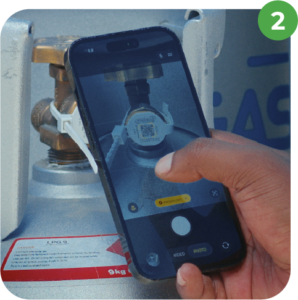
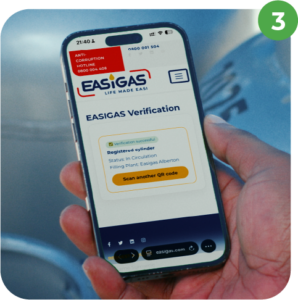
With EASISEAL, you know your LPGas is safe and authentic. No deal if there is no EASISEAL.
The first step to staying safe is being informed
Your safety is our priority. That’s why we’ve innovated our new EASISEAL.
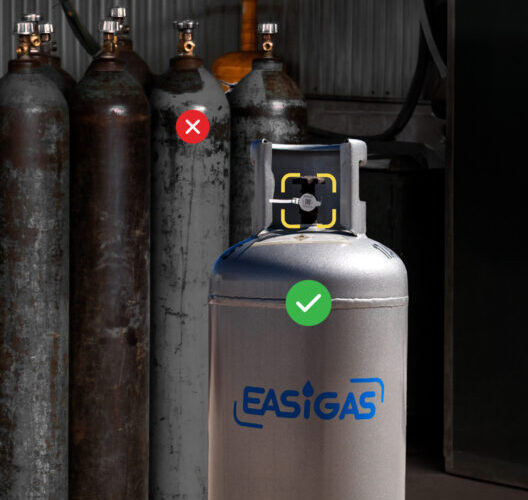
Illegally refilled cylinders may have fake seals or show signs of tampering. Knowing what to look for helps you avoid unsafe LPGas and unlicensed sellers.
No EASISEAL. No deal.
Fake or illegal seals:
Any seal that differs from the genuine Easigas EASISEAL shown above should be treated as suspicious. Unauthorized refillers often use plain seals, seals marked “LPGas”, or seals featuring other brand names.
See examples below:


Check the Date
Each cylinder has a stamped or engraved manufacture or revalidation date. If the date is older than 15 years, and there is no evidence of revalidation, the cylinder may be non-compliant and should not be used.
In 2025, any date older than 2010 may be invalid unless revalidated.
How to report an illegal refiller
If you suspect someone is refilling LPGas cylinders illegally, please report it. You may save a life!
Report to the LPGSA (Liquefied Petroleum Gas Safety Association of South Africa):
- Visit the LPGSA website
- Call: 011 886 9702
- Email: info@lpgas.co.za
Include location details, business names, photos, or anything that can help investigators. Your report will remain confidential.

Dangers of illegal refilling
The Hidden Long-
term Costs
of Cutting Corners
term Costs
of Cutting Corners
Underfilling
Illegally filled cylinders are often cheaper because they can be underfilled. An easy way to verify it is to check the weight of the cylinder.
The full cylinder weight should be equal to the weight of the empty cylinder indicated on the cylinder (for example 10.35kg) + the weight of the product (for example 9kg). The total weight should then be 19.35 kg. If it is less, it means that there is less gas than what you are paying for.
Some illegally filled cylinders can also be filled with other substances such as water.
Here’s what happens:
- A customer pays for 9kg of LPGas but only receives 6kg of gas and 3kg of water or paraffin.
- These substances don’t burn safely and can cause serious damage to your LPGas appliances.
- The cylinder’s total weight may still match expectations, making it impossible for the customer to detect without a proper check.
Risks of underfilling:
- Explosions from unsafe fuel mixtures
- Toxic emissions while burning
- Appliance breakdown or fire
Overfilling and Leaking Valves
Proper filling sites use calibrated scales and check valves during filling. Illegal refillers often skip these steps, leading to:
- Overfilled cylinders that can explode
- Increased pressure inside the cylinder
- Weakening of structural integrity
Overfilled LPGas cylinders are ticking time bombs. Even small leaks can trigger fires or major accidents.
EASIGAS’ COMMITMENT TO SAFETY
Your safety is more than a requirement, it’s our promise.
We only work with licensed, trained, and approved partners who meet our high standards for:
- Storage and transport
- Filling and sealing
- Regular cylinder maintenance
- Public safety education
By choosing Easigas, you’re choosing:
- Peace of mind
- Long-term appliance protection
- Safe, efficient energy for your family and business